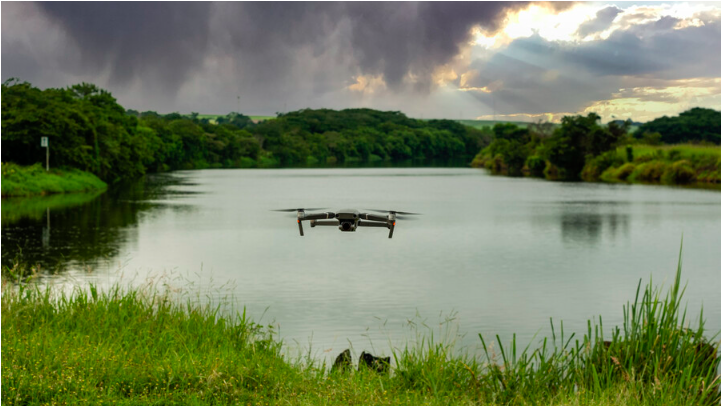
Drones and Effects of Atmosphere
Exploring how atmospheric conditions impact drone performance and data collection, and strategies to mitigate these effects.
-

Abhijit Shingate
CEO & Founder
A. Introduction
Drone pilots should have some knowledge of the atmosphere and its effect on drones because it can impact the performance and safety of their drone flights. Understanding atmospheric conditions can help pilots make informed decisions about when and where to fly their drones, as well as how to adjust their flight plans based on changing weather conditions. Following are some reasons why drone pilots should have knowledge of the atmosphere and its effects on drones:
- Safety: Understanding atmospheric conditions is critical for drone safety. High winds, low visibility, precipitation, and other weather conditions can impact the performance of the drone and make it difficult to control. Pilots who understand these conditions can make informed decisions about whether or not to fly and how to adjust their flight plans to ensure the safety of their drone and others around them.
- Flight performance: The atmosphere can also impact the performance of drones. Changes in air pressure, temperature, and humidity can affect the drone's lift, speed, and maneuverability. Pilots who understand these effects can adjust their drone settings and flight plans to optimize performance in different atmospheric conditions.
- Data collection: Drones are often used for data collection, such as mapping, surveying, and monitoring. Atmospheric conditions can impact the accuracy and reliability of this data. Pilots who understand these effects can adjust their flight plans and sensor settings to ensure that they are collecting accurate and reliable data.
- Regulatory compliance: Drone pilots are required to comply with regulations related to weather conditions. For example, in India, DGCA requires that drones be flown below 400 feet and in visibility conditions of at least 3 miles. Pilots who understand atmospheric conditions can ensure that they are complying with these regulations and avoid fines and other penalties.
B. Basics of Atmosphere
The atmosphere is a complex system composed of a mixture of gases, water vapor, and suspended particles that surround the Earth. The composition and structure of the atmosphere can be described in terms of its layers, chemical composition, and physical properties. Following are some key aspects of atmospheric composition and structure:
- Layers of the Atmosphere: The atmosphere can be divided into five main layers based on temperature changes and other properties. These layers are the troposphere, stratosphere, mesosphere, thermosphere, and exosphere. Each layer has unique characteristics, such as temperature, pressure, and composition.
- Major Atmospheric Gases: The atmosphere is predominantly composed of nitrogen (N2) and oxygen (O2), which together make up approximately 99% of the volume. The remaining 1% is composed of trace gases, including argon (Ar), carbon dioxide (CO2), neon (Ne), helium (He), methane (CH4), and ozone (O3).
- Water Vapor: Water vapor is the most abundant greenhouse gas in the atmosphere and plays a crucial role in regulating the Earth's climate. It is constantly cycling through the atmosphere, oceans, and land surface.
- Particles: The atmosphere contains a variety of particles, including dust, pollen, sea salt, and soot. These particles can affect air quality, visibility, and climate by absorbing or reflecting sunlight, serving as cloud condensation nuclei, or influencing chemical reactions in the atmosphere.
- Vertical Profiles: The concentration of gases and other constituents of the atmosphere vary with altitude. In general, the concentration of gases decreases with increasing altitude, while the concentration of particles and temperature can exhibit more complex patterns.
Understanding the composition and structure of the atmosphere is critical for many fields, including meteorology, atmospheric science, and climate science. By studying how the atmosphere behaves and changes, scientists can better understand weather patterns, air quality, and the impacts of human activities on the environment.
C. Effect of Atmosphere on Drone Flight
Atmospheric conditions can have a significant impact on drone sensors and the quality of data collected during a drone flight. Following are some of the ways in which atmospheric conditions can affect drone sensors and data collection:
- Visibility: Poor visibility caused by fog, rain, or dust can reduce the accuracy of drone sensors, particularly those used for aerial photography or remote sensing. Low light conditions can also affect the performance of cameras and other sensors. It's important to check visibility conditions before a flight and adjust the drone's altitude and speed accordingly.
- Temperature: High temperatures can cause thermal noise in sensors, leading to reduced accuracy and reliability. Cold temperatures can also affect the performance of batteries, reducing flight time and affecting the stability of the drone. It's important to monitor temperature conditions and adjust drone operations accordingly.
- Humidity: High humidity can cause condensation on the drone, leading to moisture damage to electronic components and reducing the quality of data collected. It's important to protect the drone from moisture and ensure that sensors are properly calibrated to account for humidity.
- Air pressure: Changes in air pressure can affect the performance of altitude sensors, leading to errors in altitude measurements and affecting the accuracy of data collected. It's important to calibrate altitude sensors before each flight and monitor changes in air pressure during the flight.
- Wind: Strong winds can cause the drone to tilt or drift, leading to inaccurate sensor readings and affecting the quality of data collected. It's important to check wind conditions before a flight and adjust the drone's speed and altitude accordingly.
To ensure accurate and reliable data collection, it's important to carefully monitor atmospheric conditions before and during drone flights. Pilots should also regularly calibrate and maintain their sensors to ensure that they are functioning properly and can withstand environmental factors. By taking these precautions, drones can be effectively used for a variety of applications, such as environmental monitoring, disaster response, and infrastructure inspections.
D. Strategies to Mitigate Effects of Atmosphere on Drone
To mitigate the effects of the atmosphere on drone flight and data collection, here are some strategies that can be employed:
- Monitor weather conditions: Before launching a drone, it's important to check weather conditions and monitor them during the flight. Pilots should check for high winds, precipitation, low visibility, and other atmospheric conditions that could impact drone performance and data collection.
- Choose appropriate equipment: Drones should be equipped with sensors that are designed to operate in the atmospheric conditions in which they will be used. For example, thermal sensors may be necessary for flights in extremely hot or cold temperatures.
- Adjust drone settings: Drones have various settings that can be adjusted to account for atmospheric conditions. For example, pilots can adjust the speed and altitude of the drone to account for high winds or low air density.
- Calibrate sensors: Sensors should be regularly calibrated to ensure that they are functioning properly and providing accurate data. Calibration should be done before each flight and should take into account atmospheric conditions.
- Protect equipment: Moisture, dust, and other environmental factors can damage drone sensors and electronic components. Pilots should protect their equipment from moisture and dust and store it in a dry, protected location when not in use.
- Plan for battery life: Battery life can be affected by temperature and humidity conditions. Pilots should plan for reduced battery life during flights in extreme conditions and consider carrying extra batteries.
- Use data processing tools: Data collected from drone sensors may require processing to correct for atmospheric conditions. Tools such as image correction software can help improve the accuracy and reliability of data collected by drones.
By employing these strategies, pilots can mitigate the effects of atmospheric conditions on drone flight and data collection, ensuring that their drones operate safely and effectively in a variety of environments.
E. Conclusion
To ensure accurate and reliable data collection, it's important to carefully monitor atmospheric conditions before and during drone flights. Pilots should also regularly calibrate and maintain their sensors to ensure that they are functioning properly and can withstand environmental factors. By taking these precautions, drones can be effectively used for a variety of applications, such as environmental monitoring, disaster response, and infrastructure inspections.

Exadatum
Exadatum is a leading technology company specializing in data analytics, data science, data engineering, and large-scale systems. With a strong focus on leveraging AI, Robotics and Drones, Exadatum is building next generation products and services.
-
Abhijit Shingate
CEO & Founder
Abhijit's deep passion lies in the realm of innovation. Throughout his career, he has consistently achieved remarkable results, committing himself to harnessing data-driven solutions and state-of-the-art AI technologies to transform the drone and robotics industry.
Do you want to be part of exciting journey of the future of AI, Robotics and Drones?
With the convergence of data, AI, robotics, and drones, we see immense potential for transformative impact across industries. Leveraging our expertise in data analytics, AI, and large-scale systems, we are determined to shape the future of robotics and drones by infusing intelligence and autonomy into these technologies.
© 2023 Exadatum Software Services Private Limited. All rights reserved.